

Can a blasting sprayer be used for applying waxes? That's a question I get asked a lot as a blasting sprayer supplier. I'm here to break it down for you and give you the lowdown on whether this piece of equipment can handle wax application.
First off, let's talk about what a blasting sprayer is. It's a powerful tool designed to deliver a high - pressure stream of liquid. We've got different types of blasting sprayers in our range, like the Front Boom Self Propelled Sprayer. This bad boy is great for large - scale spraying jobs. Then there's the Motorcycle Engine Cleaner Spray, which is more compact and handy for smaller, more detailed work. And don't forget the Motorcycle Irrigation Water Pump, which can be used in various irrigation and spraying tasks.
Now, onto the main question: wax application. Wax is a bit different from other liquids you might use a blasting sprayer for. It has a different consistency, usually thicker and more viscous. Some waxes are designed to be applied in a thin, even layer, and others are meant to build up a thicker coat.
One of the advantages of using a blasting sprayer for wax application is the speed. If you've got a large surface area to cover, like the exterior of a big vehicle or a large industrial machine, a blasting sprayer can get the job done much faster than applying wax by hand. The high - pressure stream can spread the wax evenly over the surface, reducing the time and effort it would take to do it manually.
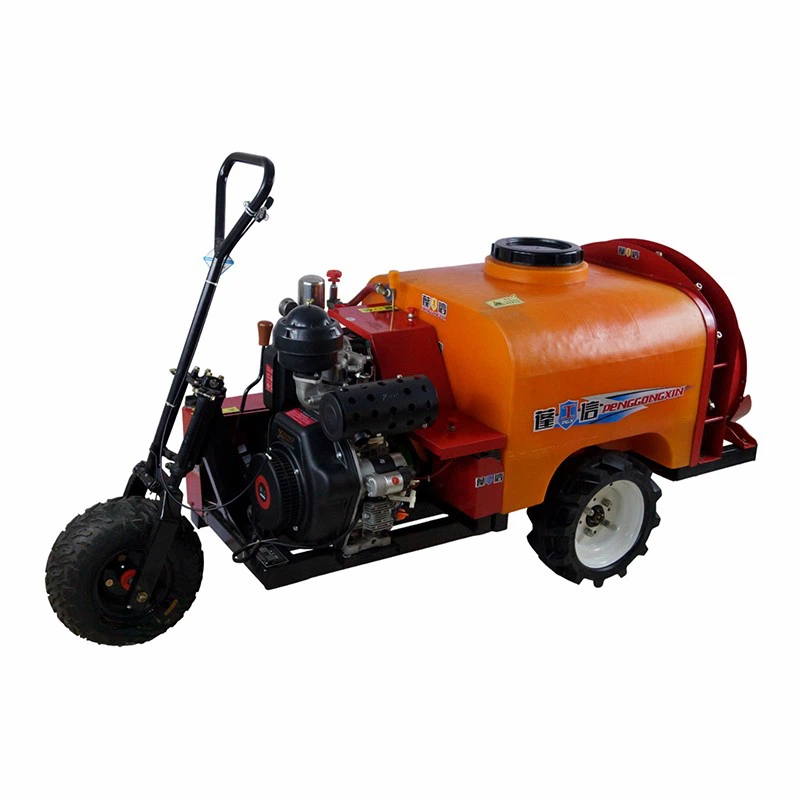

But there are also some challenges. The viscosity of wax can cause problems for the sprayer. If the wax is too thick, it might clog the nozzle of the blasting sprayer. This can lead to uneven spraying, and in some cases, it can even damage the sprayer. To avoid this, you need to make sure the wax is at the right temperature. Waxes usually become more fluid when heated, so warming up the wax slightly can make it easier to spray.
Another thing to consider is the type of wax. Some waxes are formulated specifically for use with sprayers, while others are better suited for manual application. If you're planning to use a blasting sprayer, look for waxes that are labeled as spray - able. These waxes are designed to flow through the sprayer easily and create a smooth finish.
When it comes to the surface you're applying the wax to, you also need to be careful. Some surfaces might be too delicate to handle the high - pressure stream of the blasting sprayer. For example, if you're waxing a delicate piece of furniture or a painted surface that's prone to chipping, the force of the spray could cause damage. In these cases, it might be better to use a lower - pressure setting on the sprayer or even consider alternative methods of wax application.
Let's talk about the process of using a blasting sprayer for wax application. First, you need to prepare the wax. As I mentioned earlier, if the wax is thick, heat it up to make it more fluid. You can use a wax warmer or a simple hot water bath to do this. Make sure to stir the wax well to ensure an even consistency.
Next, fill the tank of the blasting sprayer with the wax. Be careful not to overfill it, as this can cause problems with the sprayer's operation. Once the tank is filled, you're ready to start spraying. Start with a small test area to make sure everything is working properly. Check the spray pattern to ensure it's even and that the wax is being applied evenly.
When you're spraying, move the sprayer in a smooth, even motion. Keep a consistent distance from the surface to ensure a uniform coat of wax. After you've finished spraying, let the wax dry. The drying time can vary depending on the type of wax and the environmental conditions.
In terms of maintenance, after using the blasting sprayer for wax application, you need to clean it thoroughly. Wax can leave residue in the sprayer, which can clog the nozzle and other parts over time. Use a suitable cleaning solution to flush out the tank and the nozzle. Make sure to follow the manufacturer's instructions for cleaning the sprayer to avoid damaging it.
So, can a blasting sprayer be used for applying waxes? The answer is yes, but with some precautions. If you take the time to choose the right wax, prepare it properly, and use the sprayer correctly, you can achieve great results. It's a great option for large - scale waxing jobs, but you need to be aware of the potential challenges and take steps to overcome them.
If you're interested in using a blasting sprayer for wax application or any other spraying tasks, I'd love to help. As a blasting sprayer supplier, I've got a wide range of sprayers to suit different needs and budgets. Whether you're a professional in the automotive industry, a farmer looking to wax your equipment, or a DIY enthusiast, we've got the right sprayer for you.
If you want to learn more about our products or have any questions about using a blasting sprayer for wax application, feel free to reach out. We can have a chat about your specific requirements and help you find the best solution for your waxing needs. Let's get in touch and start a conversation about how we can make your waxing projects a success.
References
- General knowledge about blasting sprayers and wax application from industry experience.
- Manufacturer's guides for blasting sprayers and wax products.