

As a supplier of petrol engine sprayers, I often encounter customers with diverse needs and inquiries. One common question that frequently arises is whether a petrol engine sprayer can be used for spraying paint. In this blog post, I'll delve into this topic, exploring the feasibility, considerations, and potential applications of using a petrol engine sprayer for paint spraying.
Understanding Petrol Engine Sprayers
Before we discuss the suitability of using a petrol engine sprayer for paint spraying, let's first understand what a petrol engine sprayer is. A petrol engine sprayer is a powerful and versatile tool powered by a petrol engine. It is commonly used in agriculture, forestry, and pest control for spraying pesticides, herbicides, fertilizers, and other liquid solutions. These sprayers are known for their high pressure and large spraying capacity, making them ideal for covering large areas efficiently.
The key components of a petrol engine sprayer include a petrol engine, a pump, a tank, a hose, and a nozzle. The petrol engine provides the power to drive the pump, which pressurizes the liquid in the tank and forces it through the hose and nozzle. The nozzle atomizes the liquid into fine droplets, allowing for even distribution over the target area.
Can a Petrol Engine Sprayer Be Used for Spraying Paint?
The short answer is yes, a petrol engine sprayer can be used for spraying paint. However, there are several factors to consider before using a petrol engine sprayer for this purpose.
Compatibility
The first consideration is the compatibility of the paint with the sprayer. Not all paints are suitable for use with a petrol engine sprayer. Some paints may be too thick or viscous to be atomized properly by the sprayer's nozzle, while others may contain solvents or additives that can damage the sprayer's components.
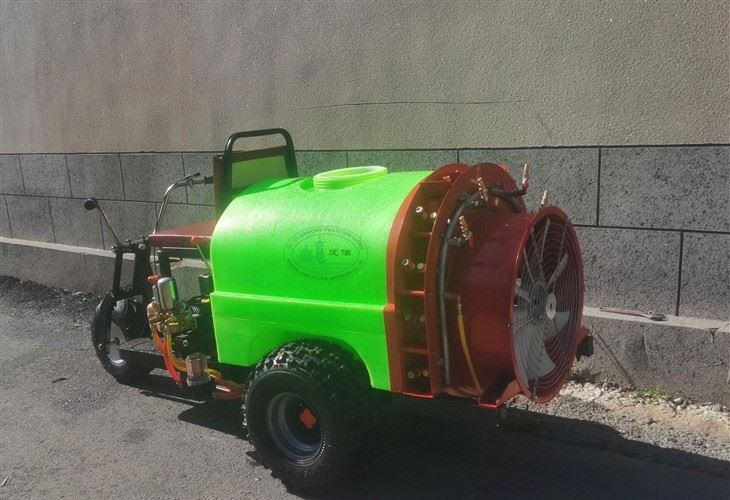

Before using a petrol engine sprayer for paint spraying, it is important to check the paint manufacturer's recommendations and ensure that the paint is compatible with the sprayer. You may also need to thin the paint to the appropriate consistency to ensure proper atomization.
Pressure and Flow Rate
Another important factor to consider is the pressure and flow rate of the sprayer. The pressure and flow rate of a petrol engine sprayer are typically designed for spraying agricultural chemicals and may not be suitable for spraying paint. Too much pressure can cause the paint to splash or run, while too little pressure can result in uneven coverage.
To ensure proper paint application, it is important to adjust the pressure and flow rate of the sprayer to match the requirements of the paint and the surface being painted. You may need to experiment with different settings to find the optimal pressure and flow rate for your specific application.
Nozzle Selection
The nozzle is a critical component of the sprayer that determines the pattern and size of the paint droplets. Different types of nozzles are available for different applications, and it is important to choose the right nozzle for paint spraying.
For paint spraying, a nozzle with a fine mist pattern is typically recommended to ensure even coverage and a smooth finish. You may also need to choose a nozzle with a larger or smaller orifice depending on the viscosity of the paint and the surface being painted.
Safety Precautions
Paint spraying can be a hazardous activity, and it is important to take appropriate safety precautions when using a petrol engine sprayer for this purpose. Some of the safety precautions to consider include:
- Wear protective clothing: Wear a respirator, goggles, gloves, and a protective suit to protect yourself from paint fumes, droplets, and splashes.
- Work in a well-ventilated area: Ensure that the area where you are painting is well-ventilated to prevent the buildup of paint fumes.
- Follow the manufacturer's instructions: Read and follow the manufacturer's instructions for the sprayer and the paint carefully to ensure safe and proper use.
- Clean the sprayer thoroughly: After using the sprayer for paint spraying, clean it thoroughly to remove any paint residue and prevent damage to the sprayer's components.
Advantages of Using a Petrol Engine Sprayer for Paint Spraying
Despite the challenges and considerations, there are several advantages to using a petrol engine sprayer for paint spraying.
High Pressure and Large Coverage
Petrol engine sprayers are known for their high pressure and large spraying capacity, which makes them ideal for covering large areas quickly and efficiently. This can be particularly useful for painting large surfaces such as walls, fences, and vehicles.
Versatility
Petrol engine sprayers are versatile tools that can be used for a variety of applications, including painting, agricultural spraying, and pest control. This makes them a cost-effective investment for homeowners, contractors, and farmers who need a multi-purpose sprayer.
Mobility
Petrol engine sprayers are typically portable and can be easily moved from one location to another. This makes them ideal for outdoor painting projects where access to electricity may be limited.
Applications of Petrol Engine Sprayers for Paint Spraying
Petrol engine sprayers can be used for a variety of paint spraying applications, including:
- Exterior Painting: Petrol engine sprayers can be used to paint the exterior of buildings, fences, and other structures. The high pressure and large coverage of the sprayer make it ideal for covering large areas quickly and efficiently.
- Automotive Painting: Petrol engine sprayers can also be used for automotive painting, such as painting cars, trucks, and motorcycles. However, it is important to use a sprayer with a fine mist pattern and to follow the manufacturer's instructions carefully to ensure a smooth and even finish.
- Industrial Painting: Petrol engine sprayers are commonly used in industrial settings for painting large equipment, machinery, and structures. The high pressure and large coverage of the sprayer make it ideal for covering large areas quickly and efficiently.
Conclusion
In conclusion, a petrol engine sprayer can be used for spraying paint, but it is important to consider the compatibility of the paint with the sprayer, the pressure and flow rate of the sprayer, the nozzle selection, and the safety precautions. By taking these factors into account, you can ensure safe and effective paint spraying using a petrol engine sprayer.
If you are interested in using a petrol engine sprayer for paint spraying or other applications, we offer a wide range of high-quality petrol engine sprayers to meet your needs. Our products include Self Propelled Boom Sprayer, 230L Handlebar Mounted Sprayer With Seat, and Self Propelled Blasting Sprayer. Contact us today to learn more about our products and how they can benefit your business.
References
- Manufacturer's instructions for petrol engine sprayers
- Paint manufacturer's recommendations
- Safety guidelines for paint spraying