

Hey there! As a supplier of electric portable power sprayers, I often get asked a bunch of questions from customers. One question that pops up quite a bit is, "Can an electric portable power sprayer be used in low - temperature environments?" Well, let's dig into this topic and find out.
First off, let's talk about how these sprayers work. Electric portable power sprayers are super handy tools. They're used in a whole bunch of situations, like agriculture for spraying pesticides and fertilizers, in gardening for watering plants, and even for some cleaning jobs. There are different types, too. You've got the Battery Powered Pressure Sprayer, which is great for when you need to move around freely without being tied to an outlet. And then there's the 220V Portable Electric Power Sprayer, which is perfect for areas where you have access to a power source.
Now, when it comes to low - temperature environments, things can get a bit tricky. Let's start with the battery - powered ones. Batteries are the heart of these sprayers, and they don't really like the cold. In low temperatures, the chemical reactions inside the battery slow down. This means that the battery won't be able to deliver as much power as it does in normal temperatures. You might notice that the sprayer doesn't run as long on a single charge. For example, if your battery usually lasts for an hour of continuous use at room temperature, in cold weather, it could drop to maybe 30 minutes or even less.
Another issue with batteries in the cold is that they can become more prone to damage. The cold can cause the battery cells to contract, which might lead to internal short - circuits or other problems over time. So, if you're using a Battery Powered Pressure Sprayer in a low - temperature environment, you need to be extra careful with your battery. You might want to keep it warm when it's not in use, like storing it indoors or in an insulated container.
What about the 220V portable electric power sprayers? Well, they don't have the battery problem, but they still face some challenges in the cold. The liquid inside the sprayer tank can freeze. If the liquid freezes, it can damage the pump and other components of the sprayer. The pump is designed to move liquid, and when that liquid turns into ice, it can block the flow and put a lot of stress on the pump. This could lead to the pump breaking down or not working properly.
Even if the liquid doesn't freeze completely, the viscosity of the liquid can change in cold temperatures. Viscosity is just a fancy word for how thick or thin a liquid is. When it's cold, the liquid becomes thicker, which means it's harder for the pump to move it through the sprayer. This can result in a weaker spray or uneven distribution of the liquid.
But it's not all bad news. There are ways to use electric portable power sprayers in low - temperature environments. If you're using a battery - powered sprayer, you can use a battery with a higher capacity. A larger battery will have more power to spare, even when the cold slows it down. You can also invest in a battery heater. These are small devices that keep the battery warm, ensuring that it performs at its best.

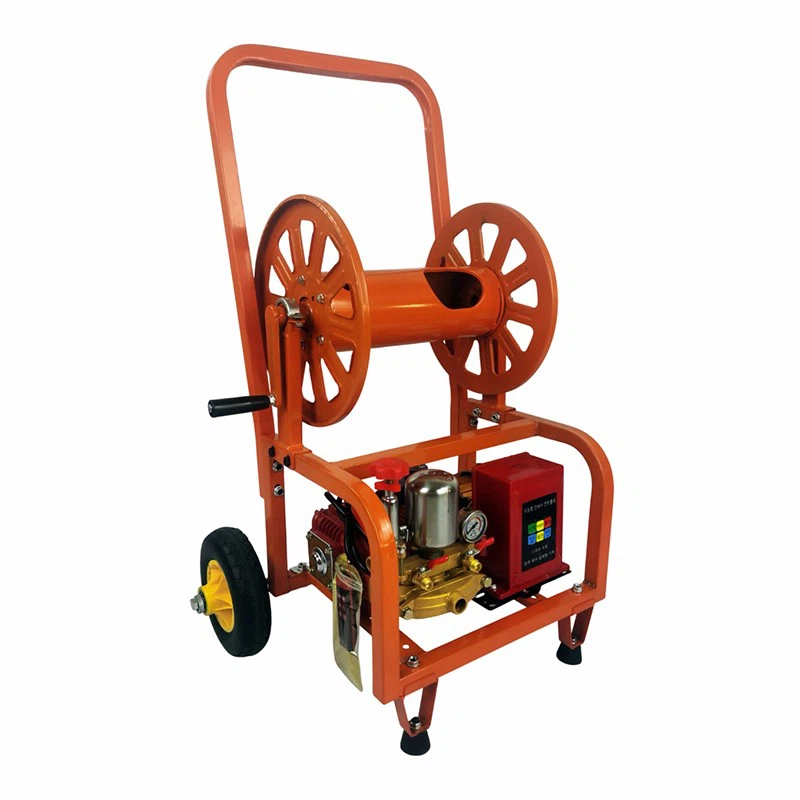
For the 220V sprayers, you can use anti - freeze additives in the liquid. These additives lower the freezing point of the liquid, so it's less likely to freeze in the cold. You should also make sure to drain the sprayer completely after each use. This prevents any remaining liquid from freezing inside the tank or the pump overnight.
Before using the sprayer in cold weather, it's a good idea to do a test run. Fill the tank with a small amount of liquid and turn on the sprayer to see if it's working properly. Check the spray pattern and the pressure. If everything seems okay, then you're good to go.
In some industries, like agriculture, using electric portable power sprayers in low - temperature environments is sometimes necessary. For example, in some regions, farmers need to spray pesticides during the winter to control pests that are dormant. So, it's important to find solutions to make these sprayers work in the cold.
If you're thinking about buying an electric portable power sprayer for use in low - temperature environments, I'd recommend doing some research. Look at the specifications of the sprayer to see if it's suitable for cold weather. Some sprayers are designed with features that make them more cold - resistant, like insulated tanks or pumps that can handle thicker liquids.
As a supplier, I've seen a lot of customers struggle with using these sprayers in the cold. But with the right knowledge and precautions, it's definitely possible. If you have any questions about which sprayer is best for your needs in a low - temperature environment, or if you want more tips on how to use them in the cold, don't hesitate to reach out. We're here to help you make the most of your electric portable power sprayer. Whether you're interested in a Battery Powered Pressure Sprayer or a 220V Portable Electric Power Sprayer, we can provide you with all the information you need.
If you're in the market for an electric portable power sprayer, we've got a wide range of options to choose from. Our sprayers are high - quality and built to last. We can work with you to find the perfect sprayer for your specific needs, especially if you need to use it in low - temperature environments. So, if you're interested in purchasing, just get in touch with us. We're ready to have a chat and help you make the right decision.
References
- General knowledge about battery performance in low temperatures from battery manufacturers' guidelines.
- Agricultural industry reports on the use of power sprayers in different weather conditions.