

As a supplier of Gasoline Powered Sprayers, I often receive inquiries from customers about various aspects of using these machines, and one of the most common questions is how to refill the fuel tank of a gasoline-powered sprayer. In this blog, I'll walk you through the process step by step, ensuring that you can safely and efficiently refill your sprayer's fuel tank.
Understanding Your Gasoline Powered Sprayer
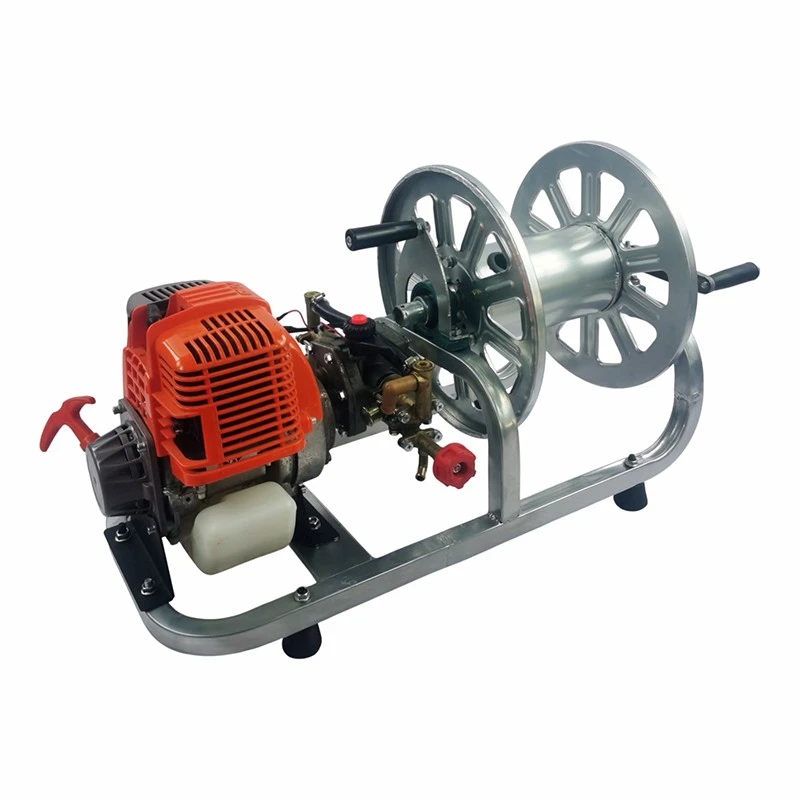
Before we dive into the refueling process, it's essential to understand the basic components of a gasoline-powered sprayer. These sprayers are typically equipped with a gasoline engine that powers the pump, which in turn pressurizes the liquid in the tank for spraying. The fuel tank is where you store the gasoline that powers the engine.
There are different types of gasoline-powered sprayers available in the market, each designed for specific applications. For instance, the Power Sprayer with Gasoline Engine is widely used in agricultural settings for spraying pesticides, fertilizers, and herbicides. On the other hand, the Car Washing Gasoline Engined Sprayer is specifically designed for car washing purposes, providing high-pressure water for a thorough clean. And the Htp Sprayer with Petrol Engine is often used in industrial and commercial applications.
Safety Precautions
Refueling a gasoline-powered sprayer involves working with flammable materials, so safety should always be your top priority. Here are some safety precautions to keep in mind:
- Work in a Well-Ventilated Area: Always refuel your sprayer outdoors or in a well-ventilated area to avoid inhaling gasoline fumes, which can be harmful.
- Turn Off the Engine: Before refueling, make sure the engine is turned off and has cooled down to prevent any risk of fire or explosion.
- Avoid Smoking and Open Flames: Keep away from smoking areas and open flames when refueling your sprayer.
- Use a Suitable Container: Use a clean, approved gasoline container to transfer gasoline from the storage tank to the sprayer's fuel tank.
- Wear Protective Gear: Wear gloves and safety glasses to protect your hands and eyes from gasoline spills.
Step-by-Step Guide to Refilling the Fuel Tank
Now that you understand the importance of safety let's go through the step-by-step process of refilling the fuel tank of a gasoline-powered sprayer:
Step 1: Locate the Fuel Tank
The fuel tank is usually located near the engine of the sprayer. It is typically made of plastic or metal and has a cap on top.
Step 2: Prepare the Gasoline Container
Ensure that the gasoline container you are using is clean and free from any debris or contaminants. If you are using a new container, make sure it is approved for storing gasoline.

Step 3: Remove the Fuel Tank Cap
Carefully remove the fuel tank cap by turning it counterclockwise. Place the cap in a safe place to avoid losing it.
Step 4: Pour the Gasoline
Slowly pour the gasoline from the container into the fuel tank. Be careful not to overfill the tank, as this can cause gasoline to spill out. Most fuel tanks have a maximum fill line indicated on the inside of the tank or on the cap. Pour the gasoline until it reaches this line.
Step 5: Replace the Fuel Tank Cap
Once you have finished pouring the gasoline, replace the fuel tank cap by turning it clockwise until it is tightly sealed. This will prevent any gasoline from leaking out and also help to keep the fuel fresh.
Step 6: Wipe Up Any Spills
If there are any gasoline spills on the outside of the fuel tank or the sprayer, wipe them up immediately with a clean, dry cloth. Gasoline is highly flammable, so it's important to clean up any spills to prevent a fire hazard.
Step 7: Start the Engine
After refilling the fuel tank, you can start the engine of the sprayer. Follow the manufacturer's instructions for starting the engine, which usually involve priming the engine, setting the choke, and pulling the starter cord.
Tips for Refilling the Fuel Tank
- Use the Right Type of Gasoline: Always use the type of gasoline recommended by the manufacturer of your sprayer. Using the wrong type of gasoline can damage the engine and reduce the performance of the sprayer.
- Keep the Fuel Tank Clean: Regularly clean the fuel tank to remove any dirt, debris, or water that may have accumulated. This will help to keep the engine running smoothly and prevent any clogging of the fuel lines.
- Store the Gasoline Properly: When storing gasoline, make sure it is kept in a cool, dry place away from direct sunlight and heat sources. Use a sealed container to prevent the gasoline from evaporating or spilling.
- Check the Fuel Level Regularly: To avoid running out of fuel during use, check the fuel level in the tank regularly. This will help you to plan your refueling schedule and ensure that you have enough fuel for your spraying tasks.
Troubleshooting
If you encounter any problems while refilling the fuel tank or using the sprayer, here are some common issues and their solutions:
- Difficulty Pouring Gasoline: If you are having difficulty pouring gasoline into the fuel tank, make sure the container is clean and the spout is not clogged. You may also need to adjust the angle of the container to allow the gasoline to flow more easily.
- Gasoline Spills: If gasoline spills on the outside of the fuel tank or the sprayer, wipe it up immediately with a clean, dry cloth. If the spill is large, you may need to use a absorbent material such as sand or kitty litter to soak up the gasoline.
- Engine Won't Start: If the engine won't start after refilling the fuel tank, check to make sure the fuel tank is filled with the correct type of gasoline and that the fuel lines are not clogged. You may also need to check the spark plug and the air filter to ensure they are clean and in good working condition.
Conclusion
Refilling the fuel tank of a gasoline-powered sprayer is a relatively simple process, but it's important to follow the safety precautions and the manufacturer's instructions to ensure that you do it safely and efficiently. By understanding the basic components of your sprayer, taking the necessary safety measures, and following the step-by-step guide outlined in this blog, you can keep your sprayer running smoothly and effectively.
If you are in the market for a high-quality gasoline-powered sprayer or have any questions about refilling the fuel tank or using the sprayer, please feel free to contact us. We are a leading supplier of Gasoline Powered Sprayers and are committed to providing our customers with the best products and services. We look forward to working with you to meet your spraying needs.
References
- Manufacturer's manuals for gasoline-powered sprayers
- Safety guidelines for handling gasoline