

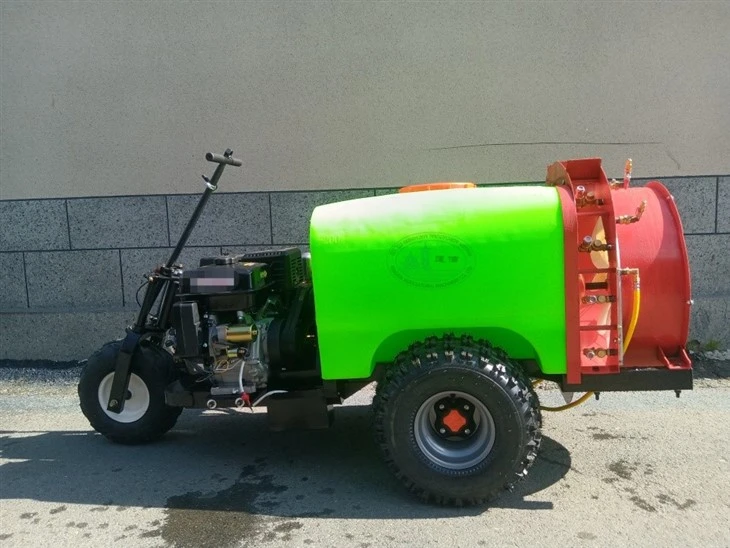
Adjusting the flow rate of a petrol engine sprayer is a crucial skill that can significantly impact the efficiency and effectiveness of your spraying operations. As a trusted supplier of high-quality petrol engine sprayers, I understand the importance of providing you with the knowledge and guidance to make the most of your equipment. In this blog post, I'll share some practical tips on how to adjust the flow rate of your petrol engine sprayer, ensuring optimal performance for various applications.

Understanding the Basics of Flow Rate
Before we delve into the adjustment process, it's essential to understand what flow rate means and why it matters. Flow rate refers to the volume of liquid that the sprayer dispenses per unit of time, typically measured in liters per minute (L/min). The appropriate flow rate depends on several factors, including the type of liquid being sprayed, the target area, and the desired coverage.
For instance, when spraying pesticides or fertilizers, a lower flow rate may be required to ensure even distribution and prevent over - application. On the other hand, for tasks such as cleaning large surfaces or irrigating extensive areas, a higher flow rate might be necessary to cover the area quickly.
Factors Affecting Flow Rate
Several factors can influence the flow rate of a petrol engine sprayer:
- Nozzle Size: The size of the nozzle is one of the most significant factors affecting flow rate. Smaller nozzles generally produce a lower flow rate, while larger nozzles allow more liquid to pass through, resulting in a higher flow rate.
- Pressure: The pressure generated by the petrol engine pump also plays a crucial role. Higher pressure can force more liquid through the nozzle, increasing the flow rate. However, it's important to note that excessive pressure can cause the spray pattern to become uneven or even damage the equipment.
- Viscosity of the Liquid: Thicker liquids, such as some types of paints or adhesives, have a higher viscosity and may require a larger nozzle or higher pressure to achieve an adequate flow rate compared to thinner liquids like water.
Steps to Adjust the Flow Rate
Now that we've covered the basics, let's walk through the steps to adjust the flow rate of your petrol engine sprayer:
- Select the Right Nozzle: Start by choosing the appropriate nozzle for your application. Refer to the sprayer's manual or consult with our technical support team if you're unsure which nozzle size is best. For example, if you need a fine mist for delicate plants, a smaller nozzle would be more suitable. If you're covering a large area quickly, a larger nozzle might be the better choice. You can explore our range of sprayers with different nozzle options, such as the 260L Self - Propelled Sprayer, which offers versatility in spraying applications.
- Check the Pressure Settings: Most petrol engine sprayers come with a pressure regulator. Use this regulator to adjust the pressure according to your needs. Start with a lower pressure setting and gradually increase it while observing the spray pattern and flow rate. Keep in mind that different nozzles may require different pressure settings to achieve the optimal flow rate.
- Test the Flow Rate: Before starting your actual spraying task, it's a good idea to conduct a test spray. Set up a container to collect the sprayed liquid and measure the volume dispensed over a specific period. This will give you an accurate reading of the current flow rate. If the flow rate is too high or too low, make the necessary adjustments to the nozzle or pressure settings.
- Consider the Liquid Viscosity: As mentioned earlier, the viscosity of the liquid can affect the flow rate. If you're using a thick liquid, you may need to increase the pressure or use a larger nozzle. Conversely, for thin liquids, you can use a smaller nozzle and lower pressure.
Troubleshooting Flow Rate Issues
Sometimes, you may encounter issues with the flow rate even after following the adjustment steps. Here are some common problems and their solutions:
- Low Flow Rate:
- Clogged Nozzle: Check the nozzle for any blockages. Remove the nozzle and clean it thoroughly using a small brush or a nozzle cleaning kit.
- Insufficient Pressure: Make sure the petrol engine is running at the correct speed and that the pressure regulator is set to an appropriate level. If the pressure is still low, there may be a problem with the pump, and you should contact our technical support for further assistance.
- High Flow Rate:
- Incorrect Nozzle Selection: Double - check that you're using the right nozzle for your application. If the nozzle is too large, replace it with a smaller one.
- Excessive Pressure: Reduce the pressure using the pressure regulator. Be careful not to reduce it too much, as this may affect the spray pattern.
Applications and Flow Rate Considerations
Different applications require different flow rates. Here are some examples:
- Agricultural Spraying: When spraying pesticides or fertilizers on crops, a flow rate of 1 - 5 L/min is often sufficient to ensure proper coverage without over - application. Our 230L Handlebar Mounted Sprayer With Seat is an excellent choice for agricultural spraying tasks, offering precise control over the flow rate.
- Cleaning and Disinfection: For cleaning large surfaces such as warehouses or industrial equipment, a higher flow rate of 5 - 10 L/min may be needed to cover the area quickly.
- Irrigation: In irrigation applications, the flow rate depends on the size of the area to be irrigated and the type of plants. A flow rate of 3 - 8 L/min is typically suitable for small to medium - sized gardens. Our Motorcycle Irrigation Water Pump can be adjusted to meet the specific flow rate requirements for irrigation.
Conclusion
Adjusting the flow rate of a petrol engine sprayer is a skill that can enhance the performance and efficiency of your spraying operations. By understanding the factors affecting flow rate, following the adjustment steps, and troubleshooting any issues that arise, you can ensure that your sprayer delivers the right amount of liquid for your specific application.
As a leading supplier of petrol engine sprayers, we are committed to providing you with high - quality products and comprehensive support. If you have any questions about adjusting the flow rate of your sprayer or need assistance with any other aspect of our products, please don't hesitate to contact us. We're here to help you make the most of your spraying equipment and achieve the best results.
References
- "Sprayer Technology Handbook" - A comprehensive guide on sprayer operation and maintenance.
- Manufacturer's manuals for our petrol engine sprayers, which provide detailed information on flow rate adjustment and troubleshooting.