

Hey there! As a supplier of forest equipment, I've seen firsthand how crucial it is to ensure the stability of these machines during operation. Whether you're dealing with logging trucks, chainsaws, or specialized machinery like the 2024 Auto Collect and Release Hose Machine, stability is key to getting the job done safely and efficiently. In this blog post, I'm gonna share some tips and tricks on how to keep your forest equipment running smoothly.
Regular Maintenance Checks
One of the most important things you can do to ensure the stability of your forest equipment is to perform regular maintenance checks. This includes everything from oil changes and filter replacements to inspecting belts, hoses, and electrical systems. By catching small issues early on, you can prevent them from turning into major problems that could lead to breakdowns or accidents.
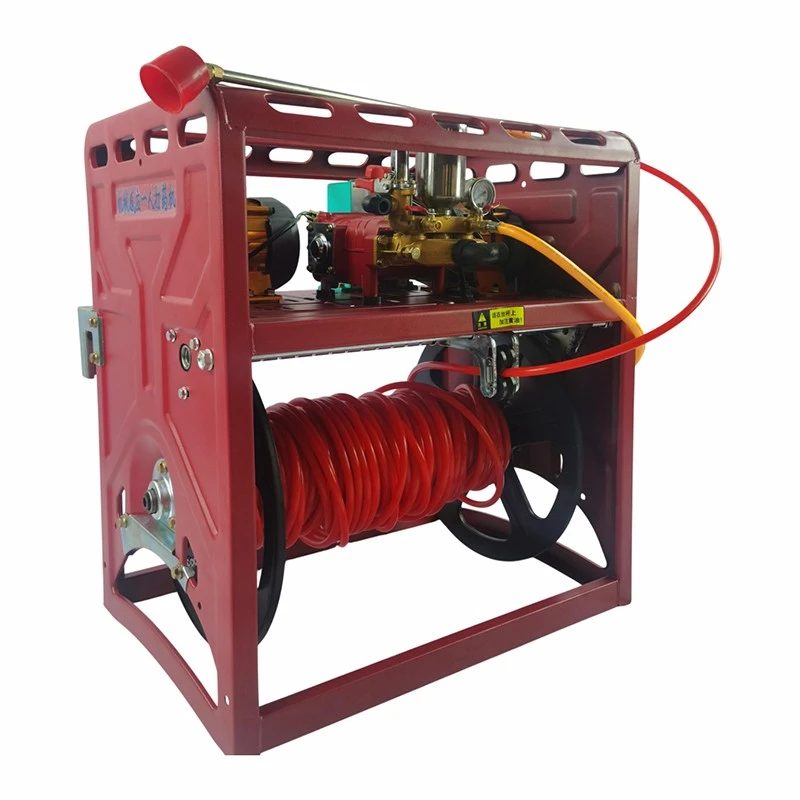

For example, let's say you have a logging truck. You should check the tire pressure regularly to make sure it's at the recommended level. Low tire pressure can cause the truck to handle poorly and increase the risk of a blowout. You should also inspect the brakes, steering, and suspension systems to make sure they're in good working order. If you notice any signs of wear or damage, it's important to get them fixed right away.
Another important aspect of maintenance is keeping your equipment clean. Forest equipment is often exposed to dirt, mud, and debris, which can build up over time and cause problems. Make sure to wash your machines regularly and remove any dirt or debris that may be clogging the air filters, radiators, or other components. This will help to keep your equipment running at its best and prevent overheating.
Operator Training
Another key factor in ensuring the stability of your forest equipment is proper operator training. Your operators should be trained on how to use the equipment safely and correctly, as well as how to perform basic maintenance tasks. This will not only help to prevent accidents but also extend the lifespan of your equipment.
When training your operators, make sure to cover all aspects of the equipment, including its controls, safety features, and maintenance requirements. You should also provide them with hands-on training so they can get a feel for how the equipment works. This will help them to become more confident and proficient operators.
In addition to initial training, it's important to provide ongoing training and support to your operators. This can include refresher courses, safety meetings, and access to technical support. By keeping your operators up-to-date on the latest safety procedures and maintenance techniques, you can help to ensure the stability of your forest equipment.
Proper Use of Equipment
Using your forest equipment properly is also essential for ensuring its stability. This means following the manufacturer's instructions and guidelines, as well as using the equipment for its intended purpose. For example, don't use a chainsaw to cut through metal or concrete, as this can damage the saw and increase the risk of injury.
You should also make sure to use the right equipment for the job. For example, if you're working in a dense forest, you may need a smaller, more maneuverable chainsaw. If you're cutting large trees, you may need a more powerful saw. Using the right equipment will not only make the job easier but also help to prevent damage to the equipment and ensure its stability.
Another important aspect of proper use is avoiding overloading the equipment. Make sure to check the weight limits and capacity of your equipment before using it. Overloading the equipment can cause it to become unstable and increase the risk of accidents.
Environmental Factors
Finally, it's important to consider the environmental factors when operating your forest equipment. This includes things like terrain, weather conditions, and the presence of other hazards. For example, if you're working on a steep slope, you may need to take extra precautions to ensure the stability of your equipment. You may need to use a winch or other stabilizing device to prevent the equipment from sliding or tipping over.
Weather conditions can also have a significant impact on the stability of your forest equipment. For example, if it's raining or snowing, the ground may be slippery, which can make it more difficult to operate the equipment safely. You may need to slow down or use additional traction devices to prevent the equipment from slipping.
In addition to terrain and weather conditions, you should also be aware of other hazards in the area, such as rocks, stumps, and other obstacles. Make sure to clear the area before operating the equipment to prevent damage to the equipment and ensure its stability.
Conclusion
Ensuring the stability of your forest equipment is essential for getting the job done safely and efficiently. By performing regular maintenance checks, providing proper operator training, using the equipment properly, and considering the environmental factors, you can help to keep your equipment running smoothly and prevent accidents.
If you're in the market for forest equipment, make sure to choose a reputable supplier like us. We offer a wide range of high-quality forest equipment, including the 2024 Auto Collect and Release Hose Machine. Our team of experts can also provide you with training and support to help you get the most out of your equipment.
If you have any questions or would like to learn more about our forest equipment, please don't hesitate to contact us. We'd be happy to help you find the right equipment for your needs and ensure its stability during operation.
References
- Manufacturer's manuals and guidelines for forest equipment.
- Industry standards and best practices for forest equipment operation and maintenance.
- Safety training materials and resources.