

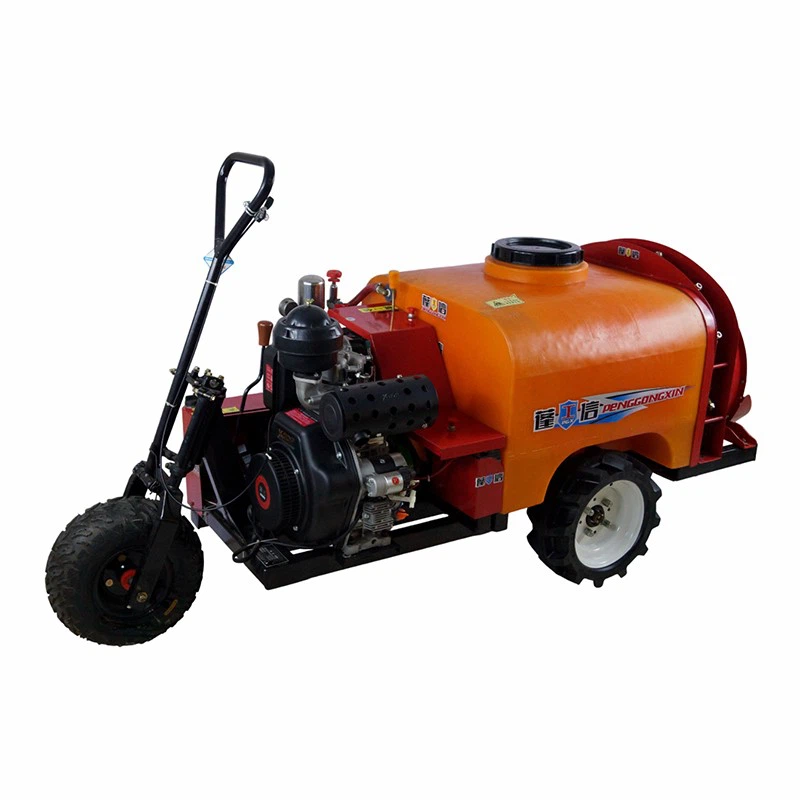
Maintaining the engine of a self-propelled blasting sprayer is crucial for ensuring its optimal performance, longevity, and reliability. As a supplier of self-propelled blasting sprayers, I understand the significance of proper engine maintenance and its impact on the overall functionality of these machines. In this blog post, I will share some essential tips and guidelines on how to maintain the engine of a self-propelled blasting sprayer effectively.
Regular Inspections
Regular inspections are the first line of defense in maintaining the engine of a self-propelled blasting sprayer. Before each use, it is important to visually inspect the engine for any signs of damage, leaks, or loose components. Check the engine oil level, coolant level, and fuel level to ensure they are within the recommended range. Look for any visible cracks or loose connections in the fuel lines, coolant hoses, and electrical wiring.
Engine Oil Maintenance
Engine oil is the lifeblood of the engine, and proper oil maintenance is essential for its smooth operation. Follow the manufacturer's recommendations for the type and grade of engine oil to use. Change the engine oil at the recommended intervals, which is typically every 50 to 100 hours of operation or according to the manufacturer's schedule. When changing the oil, also replace the oil filter to ensure proper filtration of contaminants.
Air Filter Cleaning or Replacement
The air filter prevents dust, dirt, and debris from entering the engine, ensuring clean air intake. A clogged air filter can restrict airflow to the engine, leading to reduced power, poor fuel efficiency, and increased emissions. Clean or replace the air filter regularly, depending on the operating conditions. In dusty or dirty environments, the air filter may need to be cleaned more frequently.
Spark Plug Maintenance
The spark plug is responsible for igniting the fuel-air mixture in the engine cylinders. A worn or fouled spark plug can cause misfires, rough idling, and reduced engine performance. Check the spark plug regularly and replace it if it shows signs of wear or damage. Follow the manufacturer's recommendations for the correct spark plug gap and torque specifications.
Coolant System Maintenance
The coolant system helps to regulate the engine temperature and prevent overheating. Check the coolant level regularly and top it up if necessary. Inspect the coolant hoses for any signs of leaks, cracks, or damage. Flush and replace the coolant at the recommended intervals to prevent corrosion and scale buildup in the cooling system.
Fuel System Maintenance
The fuel system is responsible for delivering clean fuel to the engine. Use high-quality fuel and avoid using fuel that is contaminated or stale. Check the fuel filter regularly and replace it if it is clogged or dirty. Inspect the fuel lines for any signs of leaks or damage. If the sprayer has a carburetor, clean it regularly to ensure proper fuel metering.
Belt and Pulley Inspections
The belts and pulleys in the engine are responsible for transferring power from the engine to various components, such as the water pump and the fan. Inspect the belts for any signs of wear, cracking, or damage. Check the tension of the belts regularly and adjust them if necessary. Replace any worn or damaged belts immediately.
Storage and Winterization
If the self-propelled blasting sprayer will not be used for an extended period, proper storage and winterization are essential to prevent damage to the engine. Drain the fuel tank and run the engine until it stalls to remove any remaining fuel from the system. Change the engine oil and filter. Remove the battery and store it in a cool, dry place. Cover the sprayer with a protective cover to prevent dust and debris from accumulating on the engine.

Professional Maintenance
In addition to regular inspections and maintenance, it is also recommended to have the engine of the self-propelled blasting sprayer serviced by a professional technician at least once a year. A professional technician can perform a comprehensive inspection of the engine, including a compression test, to identify any potential problems before they become major issues. They can also perform any necessary repairs or adjustments to ensure the engine is running at its best.
Conclusion
Maintaining the engine of a self-propelled blasting sprayer is essential for ensuring its optimal performance, longevity, and reliability. By following these tips and guidelines, you can keep your sprayer's engine in top condition and avoid costly repairs and downtime. Remember, proper maintenance is not only good for the engine but also for the overall efficiency and effectiveness of your spraying operations.
At our company, we offer a wide range of self-propelled blasting sprayers, including Front Boom Self Propelled Sprayer, Petrol Engine Sprayer, and Motorcycle Irrigation Water Pump. We also provide comprehensive maintenance and support services to ensure that your sprayer operates at its best. If you have any questions or need further assistance with engine maintenance or purchasing a self-propelled blasting sprayer, please feel free to contact us. We look forward to helping you with all your spraying needs.
References
- Manufacturer's manual of self-propelled blasting sprayers
- Industry standards and best practices for engine maintenance in agricultural equipment