

As a trusted forest equipment supplier, I understand the paramount importance of safety when operating a forest harvester. These powerful machines are essential for efficient logging operations, but they can also pose significant risks if not handled properly. In this blog post, I will share some key tips and best practices on how to operate a forest harvester safely, drawing on my years of experience in the industry.
Pre - operation Checks
Before starting the forest harvester, a thorough pre - operation check is crucial. First, inspect the machine's physical condition. Check for any visible signs of damage to the frame, boom, and cutting head. Look for loose bolts, cracks, or leaks in the hydraulic system. A damaged hydraulic system can lead to sudden loss of power or control, which is extremely dangerous in a forest environment.
Next, examine the tires or tracks. Ensure they are properly inflated and have sufficient tread depth. Worn - out tires or tracks can cause the harvester to lose traction, especially on uneven or slippery terrain. Also, check the brakes to make sure they are in good working order. Faulty brakes can result in the harvester not being able to stop when needed, putting the operator and others at risk.
Verify the functionality of all safety devices. This includes the seat belt, roll - over protection structure (ROPS), and falling object protection structure (FOPS). The seat belt should be in good condition and able to securely fasten the operator. ROPS and FOPS are designed to protect the operator in case of a roll - over or falling debris. Any damage to these structures should be repaired immediately.
Operator Training
Proper training is the foundation of safe forest harvester operation. Operators should receive comprehensive training on the specific model of the harvester they will be using. This training should cover both theoretical knowledge and practical skills.
Theoretical training should include an understanding of the machine's components, how they work together, and the potential hazards associated with each part. For example, operators should know how the cutting head functions, the proper way to adjust it, and the risks of getting too close to the rotating blades.
Practical training is equally important. Operators should practice operating the harvester in a controlled environment before moving on to actual logging sites. They should learn how to maneuver the machine smoothly, how to handle different types of trees, and how to respond to emergency situations. Regular refresher courses should also be provided to keep operators updated on the latest safety procedures and technological advancements.

Working Environment Awareness
When operating a forest harvester, being aware of the working environment is essential. Before starting work, survey the area for potential hazards. Look for uneven ground, hidden obstacles such as rocks or stumps, and overhead power lines. Power lines are particularly dangerous as they can cause electrocution if the harvester comes into contact with them.
Be aware of the weather conditions. Rain, snow, or strong winds can make the ground slippery and affect the stability of the harvester. In adverse weather conditions, it may be necessary to stop operations to ensure safety.
Also, pay attention to other workers in the area. Communicate with them to avoid collisions. Establish clear signals and communication protocols to ensure everyone is aware of the harvester's movements.
Safe Operating Procedures
During operation, follow safe operating procedures at all times. Start the harvester slowly and gradually increase the speed. Avoid sudden starts or stops, as this can cause the machine to lose balance.
When cutting trees, position the harvester correctly. Make sure the cutting head is at the appropriate height and angle for the tree. Do not overreach, as this can cause the harvester to tip over. After cutting a tree, ensure it falls in a safe direction. Clear the area of any fallen trees or debris before moving on to the next one.
Use the controls of the harvester carefully. Familiarize yourself with all the functions of the control panel. Do not operate the machine while distracted. Keep your eyes on the work area and your hands on the controls at all times.
Maintenance and Repairs
Regular maintenance and timely repairs are vital for the safe operation of a forest harvester. Follow the manufacturer's maintenance schedule. This includes changing the oil, filters, and lubricating the moving parts. Regular maintenance helps to prevent breakdowns and ensures the machine is in optimal working condition.
If any part of the harvester malfunctions, stop the machine immediately and have it repaired by a qualified technician. Do not attempt to make repairs yourself unless you have the necessary skills and knowledge. Using a faulty machine can lead to serious accidents.
Utilizing Advanced Equipment
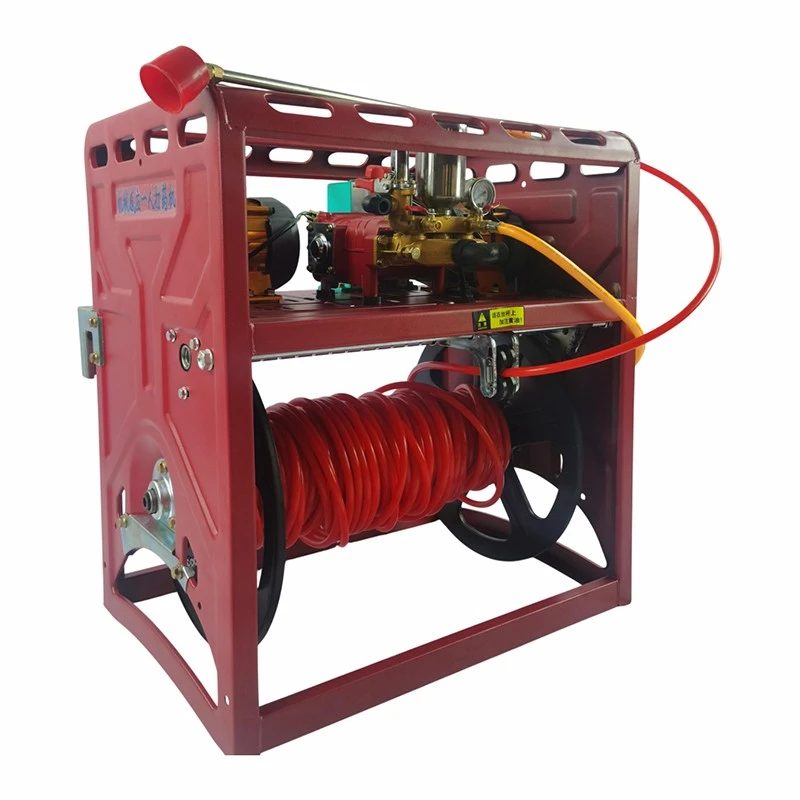
In addition to following safety procedures, using advanced forest equipment can enhance safety. For example, the 2024 Auto Collect and Release Hose Machine can improve the efficiency of hose management. This machine automatically collects and releases hoses, reducing the risk of operators getting entangled in hoses during operation. It also helps to keep the work area organized, which is beneficial for overall safety.
Contact for Purchase and Consultation
If you are in the market for forest equipment, including forest harvesters and other safety - enhancing tools like the 2024 Auto Collect and Release Hose Machine, I encourage you to reach out to us. We have a wide range of high - quality forest equipment that can meet your specific needs. Our team of experts is ready to provide you with detailed information, offer technical support, and assist you in making the right purchasing decisions. Whether you are a small - scale logger or a large - scale forestry company, we can help you find the best equipment solutions for your operations.
References
- Forestry Equipment Manufacturer's Association (FEMA). Safety Guidelines for Forest Harvester Operation.
- Occupational Safety and Health Administration (OSHA). Forestry Safety Standards.
- International Labour Organization (ILO). Safety in Forestry Operations.