

Storing a hand push sprayer properly when not in use for a long time is crucial to maintain its performance and extend its lifespan. As a hand push sprayer supplier, I understand the importance of providing customers with guidance on this topic. In this blog, I'll share some scientific and practical tips on how to store your hand push sprayer effectively.
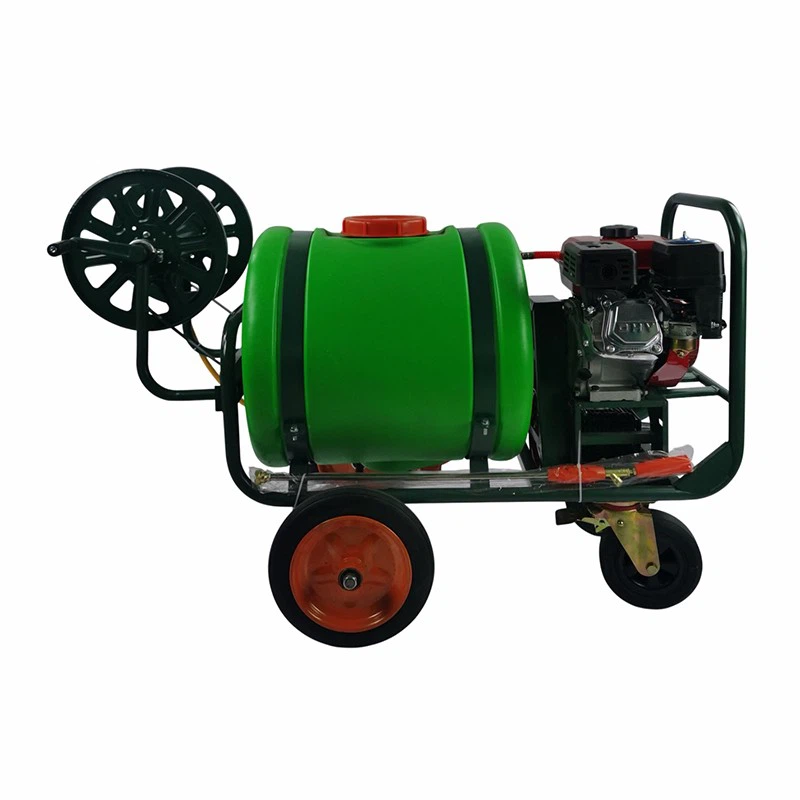

1. Clean the Sprayer Thoroughly
Before storing the hand push sprayer, it's essential to clean it thoroughly to remove any remaining chemicals, dirt, or debris. This step helps prevent corrosion, clogging, and damage to the internal components.
- Empty the Tank: First, empty the tank completely. If there is any remaining liquid in the tank, spray it out in a safe area away from plants, water sources, and people.
- Flush the System: Fill the tank with clean water and operate the sprayer to flush out the hoses, nozzles, and pump. Repeat this process several times until the water coming out of the nozzles is clear.
- Clean the Nozzles: Remove the nozzles and soak them in a cleaning solution recommended by the manufacturer. Use a soft brush to clean the small holes and passages in the nozzles. Rinse the nozzles thoroughly with clean water and dry them before reinstalling.
- Wipe Down the Exterior: Use a damp cloth to wipe down the exterior of the sprayer, including the tank, handle, and wheels. This helps remove any dirt or residue on the surface.
2. Check and Replace Worn Parts
Inspect the hand push sprayer for any worn or damaged parts before storing it. Replace any parts that are cracked, leaking, or not functioning properly. This ensures that the sprayer is in good working condition when you need to use it again.
- Seals and Gaskets: Check the seals and gaskets on the tank, pump, and nozzles. If they are worn or damaged, replace them with new ones to prevent leaks.
- Hoses and Fittings: Inspect the hoses and fittings for any signs of wear, such as cracks or leaks. Replace any damaged hoses or fittings to ensure proper fluid flow.
- Pump: Check the pump for proper operation. If the pump is not working correctly, it may need to be repaired or replaced.
3. Lubricate Moving Parts
Lubricating the moving parts of the hand push sprayer helps prevent rust and corrosion and ensures smooth operation. Use a lubricant recommended by the manufacturer and apply it to the appropriate parts.
- Pump: Apply a small amount of lubricant to the pump's moving parts, such as the pistons and seals. This helps reduce friction and wear.
- Wheels and Axles: Lubricate the wheels and axles to ensure smooth rolling. Use a lubricant that is suitable for outdoor use and resistant to water and dirt.
4. Store in a Dry and Cool Place
The storage environment plays a significant role in the longevity of the hand push sprayer. Store the sprayer in a dry and cool place to prevent rust, corrosion, and damage from moisture and extreme temperatures.
- Indoor Storage: If possible, store the sprayer indoors, such as in a garage, shed, or storage room. This protects the sprayer from the elements and reduces the risk of damage.
- Avoid Direct Sunlight: Do not store the sprayer in direct sunlight, as this can cause the plastic parts to fade and become brittle over time.
- Keep Away from Chemicals: Store the sprayer away from chemicals and other substances that may corrode or damage the sprayer.
5. Protect the Sprayer from Physical Damage
During storage, it's important to protect the hand push sprayer from physical damage. This includes avoiding impacts, scratches, and crushing.
- Use a Storage Rack or Stand: Place the sprayer on a storage rack or stand to keep it upright and prevent it from falling over. This helps protect the tank, hoses, and nozzles from damage.
- Cover the Sprayer: Use a cover to protect the sprayer from dust, dirt, and debris. A waterproof cover is ideal if the sprayer is stored outdoors.
- Store in a Safe Location: Keep the sprayer out of reach of children and pets to prevent accidental damage or injury.
6. Consider Storing with Antifreeze (if applicable)
If you live in an area with freezing temperatures, it's important to take extra precautions to prevent the water in the sprayer from freezing and causing damage. One option is to store the sprayer with antifreeze.
- Drain the Water: First, drain all the water from the tank, hoses, and pump.
- Add Antifreeze: Fill the tank with a non-toxic antifreeze solution recommended by the manufacturer. Operate the sprayer to circulate the antifreeze through the hoses and nozzles.
- Store the Sprayer: Store the sprayer in a location where the temperature will not drop below freezing.
7. Document the Storage Process
Keeping a record of the storage process can be helpful for future reference. Document the steps you took to clean, inspect, and store the hand push sprayer, including the date of storage and any parts that were replaced.
- Create a Maintenance Log: Use a notebook or a digital document to record the maintenance history of the sprayer. This includes the date of each maintenance task, the parts that were replaced, and any issues that were encountered.
- Take Photos: Take photos of the sprayer before and after cleaning and storage. This can help you identify any damage or issues that may have occurred during storage.
Conclusion
Properly storing a hand push sprayer when not in use for a long time is essential to maintain its performance and extend its lifespan. By following the tips outlined in this blog, you can ensure that your sprayer is in good working condition when you need to use it again.
If you're in the market for a high-quality hand push sprayer, we offer a wide range of products to meet your needs. Check out our 100L Petrol Engine Spray Machine, 200L Hand Push Sprayer With White Tank, and Gasoline Engine Sprayer Self Propelled Agricultural Sprayers. We're here to help you find the perfect sprayer for your agricultural or gardening needs. If you have any questions or would like to discuss your requirements, please feel free to contact us for a procurement discussion.
References
- Manufacturer's manuals for hand push sprayers
- Agricultural extension services' guidelines on equipment storage
- Industry best practices for storing spraying equipment