

Hey there, fellow garden enthusiasts! I'm a supplier of power sprayers for gardens, and I know how frustrating it can be when your trusty power sprayer starts acting up. But don't worry, I'm here to walk you through some common issues and how to troubleshoot them.
1. No Power or Won't Start
One of the most common problems you might face is that your power sprayer won't start or seems to have no power. First things first, check the power source. If it's an electric sprayer, make sure it's properly plugged in. Sometimes, the cord might be loose or damaged. Give it a quick visual inspection and see if there are any frayed wires. If so, it's best to replace the cord to avoid any safety hazards.
For gas - powered sprayers, check the fuel level. It might sound obvious, but running out of gas is a common oversight. Also, make sure the fuel valve is open. If the engine still won't start, the spark plug could be the culprit. Remove the spark plug and check if it's dirty or fouled. You can clean it with a wire brush or replace it if it's too worn out.
Another thing to check is the battery (if it's a battery - powered sprayer). Over time, batteries lose their charge capacity. Try charging the battery fully and see if that solves the problem. If the battery is old, it might be time to invest in a new one.
2. Poor Spray Pattern
If you notice that the spray pattern of your power sprayer is uneven or weak, there are a few things to look into. The nozzle is often the main cause. Over time, nozzles can get clogged with debris, dirt, or dried chemicals. Remove the nozzle and soak it in a cleaning solution. You can use a small brush, like an old toothbrush, to gently scrub away the blockages. Rinse it thoroughly and reattach it to the sprayer.
The pressure settings can also affect the spray pattern. Make sure the pressure regulator is set correctly. If you're spraying a thick liquid, you might need to increase the pressure slightly. On the other hand, if you're using a fine - mist nozzle, a lower pressure might be more appropriate.
The hose can also play a role. Check for any kinks or blockages in the hose. A kinked hose restricts the flow of liquid, resulting in a poor spray pattern. Straighten out the hose and make sure it's not damaged or punctured.
3. Leaking Sprayer
A leaking power sprayer can be a messy and wasteful problem. Start by checking the connections. Look at the areas where the hose attaches to the sprayer and the nozzle. Sometimes, the o - rings or gaskets can wear out, causing leaks. You can usually find replacement o - rings at your local hardware store. Simply remove the old o - ring, clean the area, and install the new one.
Inspect the tank for any cracks or holes. If you find a crack, depending on the severity, you might be able to patch it with a waterproof sealant. However, if the tank is severely damaged, it's best to replace it.
The pump can also be a source of leaks. If you notice liquid leaking from the pump area, it could be due to a damaged seal. You may need to disassemble the pump and replace the seal. This can be a bit more complicated, so if you're not comfortable with it, it's advisable to take it to a professional.
4. Pump Not Working Properly
The pump is the heart of the power sprayer, and if it's not working right, the whole system will suffer. First, check if there are any blockages in the pump intake. If you're using a sprayer with a suction tube, make sure it's not clogged with debris. Clean the intake filter regularly to prevent blockages.

If the pump is making strange noises, it could be a sign of a worn - out impeller. The impeller is a rotating part inside the pump that moves the liquid. If it's damaged, the pump won't be able to generate enough pressure. You'll need to open the pump and inspect the impeller. If it's damaged, replace it with a new one.
Also, check the pump pressure relief valve. If it's stuck open or closed, it can cause problems with the pump's performance. You may need to adjust or replace the valve to get the pump working properly again.
5. Chemical Compatibility Issues
Using the wrong chemicals in your power sprayer can cause a variety of problems. Some chemicals can react with the materials inside the sprayer, such as the tank, hoses, or pump. Before using a new chemical, always check the manufacturer's recommendations.
If you notice that the sprayer is not performing well after using a particular chemical, it could be a compatibility issue. Flush the sprayer thoroughly with clean water several times. You may also need to soak the hoses and nozzles in a cleaning solution to remove any chemical residues.
Our Product Recommendations
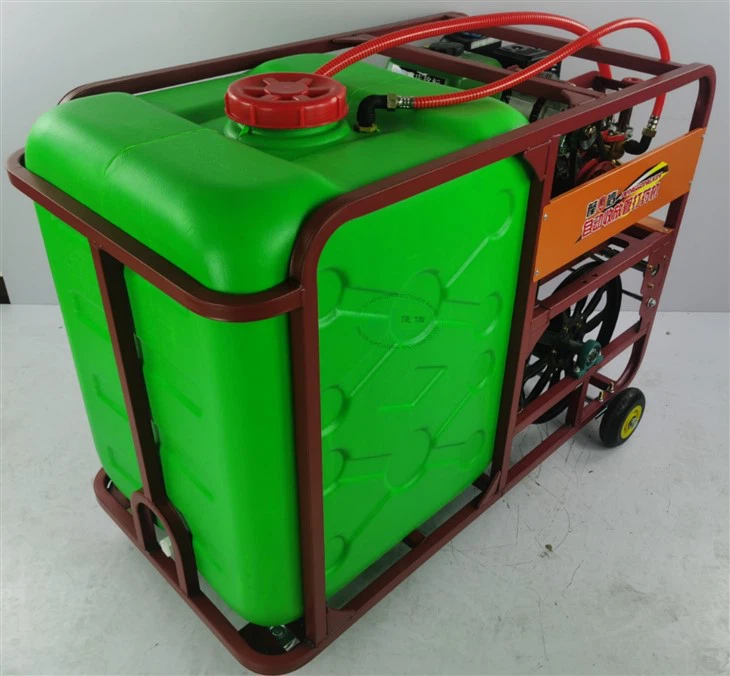
As a power sprayer for garden supplier, I'd like to introduce some of our great products. Check out our PGX - 300L Trolley Powe Sprayer, which is perfect for larger gardens. It offers high - pressure spraying and a large capacity tank, making your gardening tasks much easier.
If you have a smaller garden, our 50L Hnad Push Sprayer New Product Made By PGX is a great option. It's lightweight and easy to maneuver, and it's a new product with some great features.
For those who need a bit more capacity than the 50L but not as much as the 300L, our 200L Hand Push Sprayer is a solid choice. It's reliable and built to last.
Conclusion
Troubleshooting a power sprayer for your garden doesn't have to be a headache. By following these simple steps, you can often identify and fix the problem on your own. Remember, regular maintenance is key to keeping your sprayer in good working condition.
If you're interested in purchasing a new power sprayer or have any questions about the products we offer, feel free to reach out for a procurement discussion. We're here to help you find the best solution for your gardening needs.
References
- Gardening Equipment Maintenance Guides
- Power Sprayer Manufacturer Manuals