

As a provider of high - quality Self Propelled Boom Sprayers, I am often asked about the air filtration system of these machines. In this blog, I will delve into the details of what the air filtration system of a self - propelled boom sprayer is, its importance, and how it functions.
What is an Air Filtration System in a Self - Propelled Boom Sprayer?
An air filtration system in a self - propelled boom sprayer is a crucial component designed to clean the air that enters the engine and other sensitive parts of the machine. It is essentially a barrier that traps dust, dirt, pollen, and other airborne particles before they can reach the engine or other internal components.
The air filtration system typically consists of an air filter housing and an air filter element. The housing is a protective casing that holds the filter element in place and directs the airflow. The filter element is the heart of the system, made of a porous material that allows air to pass through while capturing contaminants.
Why is the Air Filtration System Important?
Engine Protection
The engine is the power source of the self - propelled boom sprayer. Clean air is essential for the engine to operate efficiently. When dirty air enters the engine, it can cause premature wear and tear on engine components such as pistons, cylinders, and valves. Dust and dirt particles can act as abrasives, scratching the surfaces of these parts and reducing their lifespan. A good air filtration system ensures that only clean air reaches the engine, thus extending its service life and reducing maintenance costs.
Performance Optimization
A properly functioning air filtration system also helps to optimize the performance of the self - propelled boom sprayer. When the engine receives clean air, it can burn fuel more efficiently. This results in better power output, smoother operation, and improved fuel economy. A clogged or inefficient air filter can restrict the airflow to the engine, leading to reduced power, increased fuel consumption, and even engine misfires.

Operator Safety
In addition to protecting the engine, the air filtration system also plays a role in operator safety. When spraying pesticides or fertilizers, there is a risk of inhaling harmful chemicals. The air filtration system can help to remove some of these contaminants from the air inside the operator's cabin, reducing the operator's exposure to potentially hazardous substances.
How Does the Air Filtration System Work?
The air filtration process in a self - propelled boom sprayer begins when the engine draws in air from the surrounding environment. The air first enters the air filter housing through an intake port. As the air passes through the filter element, contaminants are trapped on the surface or within the pores of the filter material.
There are different types of filter materials used in air filtration systems, each with its own characteristics. For example, paper filters are commonly used due to their high filtration efficiency and relatively low cost. They are made of a pleated paper material that provides a large surface area for capturing contaminants. Another type is the foam filter, which is more durable and can be washed and reused. Foam filters are often used in environments with high levels of dust and debris.
Once the air has passed through the filter element, it is then directed to the engine's intake manifold, where it mixes with fuel and is combusted to produce power.
Types of Air Filtration Systems in Self - Propelled Boom Sprayers
Single - Stage Filtration
Single - stage filtration systems are the simplest type of air filtration systems. They consist of a single filter element that captures contaminants in one pass. These systems are often used in smaller self - propelled boom sprayers or in applications where the level of dust and debris is relatively low.
Two - Stage Filtration
Two - stage filtration systems are more advanced and offer higher levels of filtration. They typically consist of a pre - filter and a main filter. The pre - filter is designed to capture larger particles, such as leaves and twigs, while the main filter captures finer dust and dirt particles. Two - stage filtration systems are more effective at protecting the engine in dusty or dirty environments.
Maintenance of the Air Filtration System
Proper maintenance of the air filtration system is essential to ensure its continued performance. Here are some maintenance tips:
Regular Inspection
Inspect the air filter regularly for signs of damage or clogging. A clogged filter will have a reduced airflow, which can be detected by a decrease in engine performance or an increase in fuel consumption. If the filter is dirty or damaged, it should be replaced immediately.
Cleaning or Replacement
Depending on the type of filter, it may be possible to clean the filter instead of replacing it. Foam filters can be washed with a mild detergent and water, then dried thoroughly before reinstalling. Paper filters, on the other hand, are usually disposable and should be replaced when they are dirty.
Seal Check
Make sure that the air filter housing is properly sealed. A loose or damaged seal can allow unfiltered air to bypass the filter and enter the engine. Check the seals around the filter housing and replace them if necessary.
Our Self - Propelled Boom Sprayers and Their Air Filtration Systems
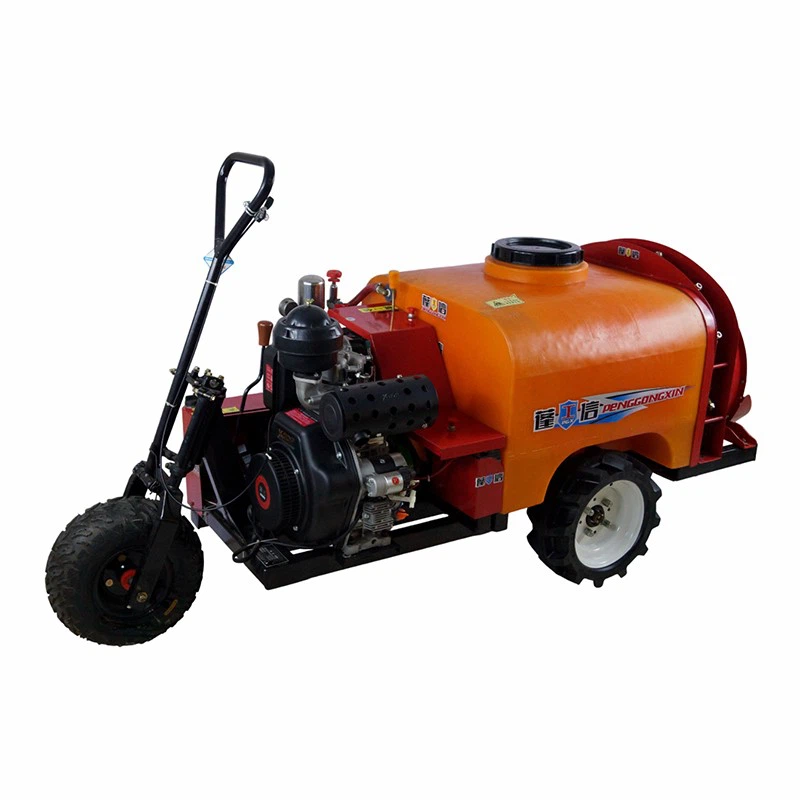
At our company, we offer a range of high - quality Self Propelled Boom Sprayer models, each equipped with a reliable air filtration system. Our front - boom models, such as the Front Boom Self Propelled Sprayer, are designed for maximum efficiency and performance. They feature advanced two - stage air filtration systems that provide superior protection for the engine.
We also offer smaller models like the 230L Handlebar Mounted Sprayer With Seat, which are suitable for smaller farms or orchards. These models come with single - stage air filtration systems that are easy to maintain and provide adequate protection for the engine.
Conclusion
The air filtration system is a vital part of a self - propelled boom sprayer. It protects the engine, optimizes performance, and ensures operator safety. By understanding how the air filtration system works and how to maintain it, you can ensure that your self - propelled boom sprayer operates at its best for years to come.
If you are interested in purchasing a self - propelled boom sprayer or have any questions about our products, please feel free to contact us for a purchase negotiation. We are committed to providing you with the best products and services to meet your agricultural spraying needs.
References
- Agricultural Machinery Handbook: This handbook provides detailed information on the design and operation of various agricultural machines, including self - propelled boom sprayers.
- Engine Manufacturer's Manuals: The manuals of engine manufacturers offer specific guidelines on air filtration requirements and maintenance for engines used in self - propelled boom sprayers.