

Hey there! As a supplier of blasting sprayers, I often get asked about the temperature range for using these nifty machines. So, let's dive right into it and figure out the best conditions to get the most out of your blasting sprayer.

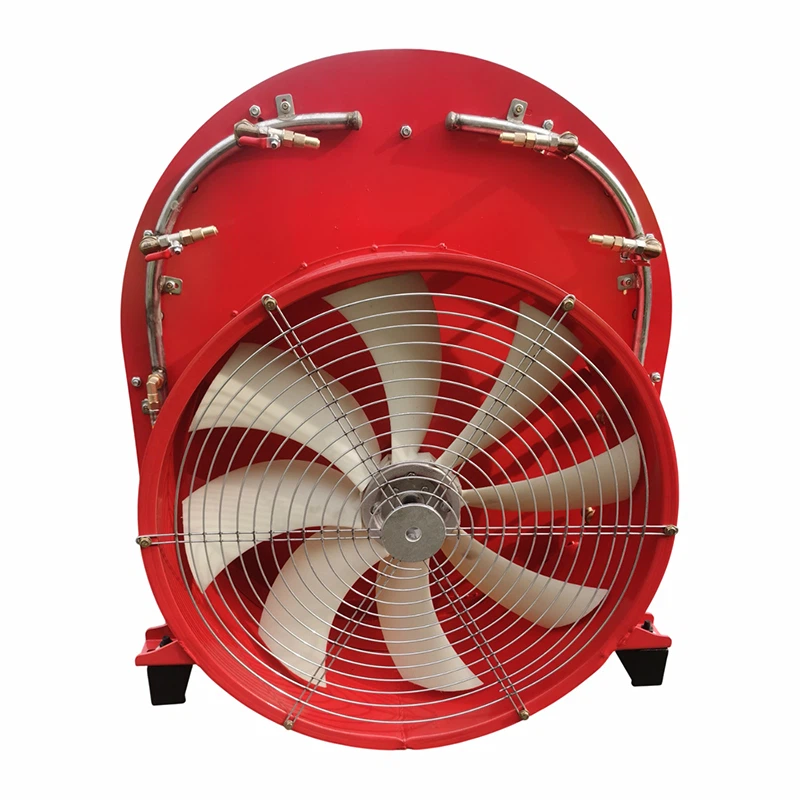
First off, it's important to understand that different types of blasting sprayers might have slightly different temperature requirements. We've got some cool options like the Self Propelled Boom Sprayer, the Self Propelled Blasting Sprayer, and the Petrol Engine Sprayer. Each of these has its own unique features, but they all share some general temperature guidelines.
Lower Temperature Limits
Let's start with the cold end of the spectrum. Most blasting sprayers are designed to work in relatively mild to moderately cold temperatures. Generally, you don't want to be using your sprayer when the temperature drops below freezing (0°C or 32°F). Why? Well, water, which is a key component in most spraying solutions, freezes at this temperature. If the water in your sprayer freezes, it can cause all sorts of problems.
For starters, frozen water can expand and damage the hoses, nozzles, and even the pump of your sprayer. Once the water thaws, you might find leaks or other malfunctions that could be costly to repair. Also, the spraying solution might not atomize properly in extremely cold temperatures. Atomization is the process of breaking the liquid into tiny droplets, and cold temperatures can make the liquid thicker and less likely to form those fine droplets. This means your spraying won't be as effective, and you might end up wasting product.
However, some modern blasting sprayers are equipped with special features that allow them to work in slightly colder temperatures. For example, they might have insulated hoses or heaters to keep the liquid from freezing. But even with these features, it's still a good idea to avoid using your sprayer in temperatures much below 5°C (41°F) if possible.
Optimal Temperature Range
The sweet spot for using a blasting sprayer is usually between 10°C and 30°C (50°F - 86°F). In this temperature range, the spraying solution behaves just right. The water is in its liquid state, and the viscosity (thickness) of the solution is ideal for proper atomization. This means you'll get a nice, even spray pattern, and the droplets will be the right size to cover the target area effectively.
At these temperatures, the chemicals in the spraying solution also work better. Many pesticides, herbicides, and fertilizers are formulated to be most effective within a certain temperature range. If it's too cold, the chemical reactions might not occur as quickly or efficiently, and if it's too hot, the chemicals might break down too rapidly.
In the optimal temperature range, you'll also find that the sprayer itself operates more smoothly. The pump doesn't have to work as hard to push the liquid through the hoses and nozzles, which can extend the lifespan of the equipment. And since the spraying is more effective, you'll use less product, which can save you money in the long run.
Higher Temperature Limits
Now, let's talk about the hot end of the temperature scale. When the temperature rises above 30°C (86°F), you start to run into some issues. One of the main problems is evaporation. In hot weather, the spraying solution can evaporate quickly before it even reaches the target. This means you'll have to use more product to achieve the same level of coverage, which can be expensive.
High temperatures can also cause the chemicals in the spraying solution to break down. Some pesticides and fertilizers are sensitive to heat, and when exposed to high temperatures, they can lose their effectiveness. This not only wastes your money but also means your crops or surfaces might not get the protection or treatment they need.
Another issue is the effect of heat on the sprayer itself. The components of the sprayer, such as the hoses and seals, can degrade more quickly in high temperatures. The rubber in the hoses can become brittle, and the seals might start to leak. This can lead to reduced performance and eventually, the need for costly repairs or replacements.
In general, it's best to avoid using your blasting sprayer when the temperature exceeds 35°C (95°F). If you absolutely have to use it in hot weather, try to do it early in the morning or late in the evening when the temperatures are a bit cooler.
Factors Affecting Temperature Tolerance
It's important to note that these temperature ranges are just general guidelines. There are several factors that can affect how well your blasting sprayer performs at different temperatures.
The type of spraying solution you're using is a big factor. Some solutions might be more sensitive to temperature changes than others. For example, oil-based solutions might be more viscous in cold temperatures and more prone to evaporation in hot temperatures compared to water-based solutions.
The humidity in the air also plays a role. High humidity can slow down the evaporation of the spraying solution, which can be beneficial in hot weather. On the other hand, low humidity can cause the solution to dry too quickly, even in moderate temperatures.
The size and design of the sprayer can also make a difference. Larger sprayers with more powerful pumps might be able to handle a wider range of temperatures than smaller, less powerful models.
Tips for Using Your Blasting Sprayer in Different Temperatures
Here are some tips to help you get the most out of your blasting sprayer in different temperature conditions:
- Cold Weather:
- If you need to use your sprayer in cold weather, make sure to warm up the spraying solution before filling the tank. You can do this by storing the solution in a warm place overnight.
- Check the hoses and nozzles for any signs of ice or blockages before starting the sprayer.
- Use a lower pressure setting to prevent the liquid from freezing in the hoses.
- Hot Weather:
- Try to spray early in the morning or late in the evening to avoid the hottest part of the day.
- Keep the spraying solution cool by storing it in a shaded area.
- Use a higher volume of water in your spraying solution to compensate for evaporation.
Conclusion
So, there you have it! The temperature range for using a blasting sprayer is typically between 10°C and 30°C (50°F - 86°F), with a lower limit of around 5°C (41°F) and an upper limit of about 35°C (95°F). Sticking to these guidelines will help you get the best performance from your sprayer, protect your equipment, and ensure that your spraying is as effective as possible.
If you're in the market for a high-quality blasting sprayer, we've got a great selection of Self Propelled Boom Sprayers, Self Propelled Blasting Sprayers, and Petrol Engine Sprayers. Our products are designed to meet the highest standards of quality and performance, and we're always here to help you choose the right sprayer for your needs.
If you have any questions or are interested in purchasing a blasting sprayer, don't hesitate to reach out. We'd love to have a chat and help you find the perfect solution for your spraying needs. Let's work together to make your spraying tasks easier and more efficient!
References
- Agricultural Equipment Manufacturers Association (AEMA). Guidelines for Operating Agricultural Sprayers.
- Chemical Manufacturers' Product Data Sheets.