

Hey there! As a supplier of electric portable power sprayers, I've seen firsthand how these nifty tools can make a world of difference in various tasks, from gardening to pest control. But like any piece of equipment, they need regular maintenance to keep them running smoothly and ensure they last for a long time. In this blog post, I'm going to break down the key parts of an electric portable power sprayer that need regular attention.
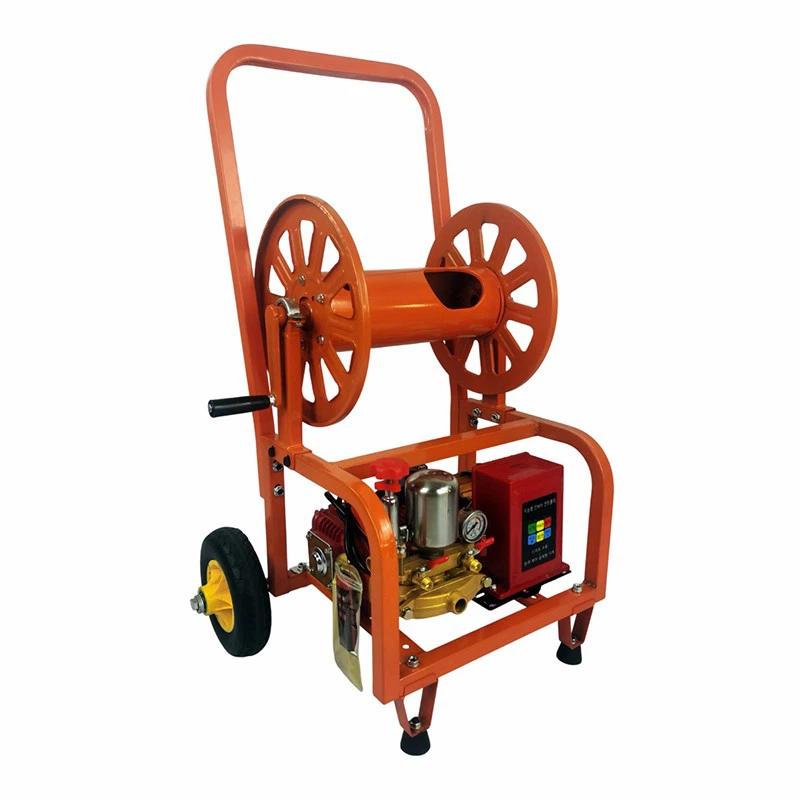

Pump
The pump is the heart of the power sprayer. It's responsible for creating the pressure needed to spray the liquid. Over time, the pump can wear out due to constant use, and debris in the liquid can also cause damage. Here's what you need to do to maintain it:
- Flush the pump regularly: After each use, fill the tank with clean water and run the sprayer for a few minutes to flush out any remaining chemicals or debris. This helps prevent clogs and corrosion inside the pump.
- Check the seals and gaskets: These are crucial for preventing leaks. Inspect them regularly for signs of wear or damage. If you notice any cracks or tears, replace them immediately. You can usually find replacement seals and gaskets at your local hardware store or order them from the sprayer manufacturer.
- Lubricate moving parts: Some pumps have moving parts that need to be lubricated. Check the user manual to see if your pump requires lubrication and what type of lubricant to use. Applying the right lubricant at the recommended intervals can significantly extend the life of the pump.
Nozzle
The nozzle is what determines the spray pattern and coverage. A clogged or damaged nozzle can result in uneven spraying or reduced pressure. Here's how to take care of it:
- Clean the nozzle after each use: Use a soft brush or a toothpick to remove any debris or dried chemicals from the nozzle opening. You can also soak the nozzle in a cleaning solution to dissolve stubborn deposits. Make sure to rinse it thoroughly with clean water before reattaching it to the sprayer.
- Check for wear and tear: Over time, the nozzle can wear out, especially if you're using abrasive chemicals. If you notice that the spray pattern is inconsistent or the pressure is low, it might be time to replace the nozzle. You can find a variety of nozzles online or at your local gardening store.
- Adjust the spray pattern: Different tasks may require different spray patterns. Most nozzles allow you to adjust the spray from a narrow stream to a wide fan. Make sure to adjust the nozzle according to your needs before each use to ensure efficient and effective spraying.
Tank
The tank is where you store the liquid that you'll be spraying. Keeping it clean and in good condition is essential for the performance of the sprayer.
- Clean the tank regularly: After each use, empty the tank and rinse it thoroughly with clean water. If you've been using chemicals, you may need to use a mild detergent to remove any residue. Make sure to rinse the tank several times to ensure that all the detergent is removed.
- Inspect for cracks or leaks: Check the tank for any signs of damage, such as cracks or leaks. If you find any, replace the tank immediately to prevent spills and ensure the safety of the user.
- Store the tank properly: When not in use, store the tank in a cool, dry place. Avoid exposing it to direct sunlight or extreme temperatures, as this can cause the plastic to degrade over time.
Battery (for Battery-Powered Sprayers)
If you're using a Battery Powered Pressure Sprayer, the battery is a critical component. Here's how to maintain it:
- Charge the battery correctly: Follow the manufacturer's instructions for charging the battery. Overcharging or undercharging the battery can reduce its lifespan. Most batteries come with a charger that automatically shuts off when the battery is fully charged.
- Store the battery properly: When not in use, store the battery in a cool, dry place. Avoid storing it in extreme temperatures, as this can damage the battery. If you're not going to use the sprayer for an extended period, remove the battery and store it separately.
- Replace the battery when needed: Over time, the battery's capacity will decrease. If you notice that the sprayer's performance is declining or the battery doesn't hold a charge as long as it used to, it's probably time to replace the battery. You can usually find replacement batteries from the sprayer manufacturer or online.
Power Cord (for 220V Sprayers)
For 220V Portable Electric Power Sprayer, the power cord is an important part that needs attention.
- Inspect the cord regularly: Look for any signs of damage, such as cuts, frays, or exposed wires. If you find any, do not use the sprayer until the cord is repaired or replaced. A damaged cord can pose a serious safety hazard.
- Avoid pulling the cord forcefully: When moving the sprayer, be careful not to pull the cord too hard. This can cause the cord to become loose or damaged at the connection points.
- Keep the cord dry: Water and electricity don't mix. Make sure to keep the power cord dry at all times. If the cord gets wet, unplug the sprayer immediately and dry it thoroughly before using it again.
Filters
Filters are used to prevent debris from entering the pump and clogging the system. They need to be cleaned or replaced regularly.
- Clean the filters after each use: Remove the filters from the sprayer and rinse them with clean water. Use a soft brush to remove any stubborn debris. If the filters are very dirty, you can soak them in a cleaning solution for a few minutes.
- Replace the filters when necessary: Over time, filters can become clogged beyond cleaning. If you notice a significant drop in pressure or the sprayer is not working properly, it might be time to replace the filters. Check the user manual for the recommended replacement interval.
Hoses
The hoses connect the tank, pump, and nozzle. They need to be in good condition to ensure proper fluid flow.
- Inspect the hoses for damage: Look for any cracks, leaks, or kinks in the hoses. If you find any, replace the damaged section of the hose or the entire hose if necessary. A damaged hose can cause leaks and reduce the pressure of the sprayer.
- Keep the hoses clean: After each use, flush the hoses with clean water to remove any remaining chemicals or debris. This helps prevent clogs and corrosion inside the hoses.
- Store the hoses properly: When not in use, coil the hoses neatly and store them in a dry place. Avoid leaving them in direct sunlight or extreme temperatures, as this can cause the hoses to become brittle and crack over time.
Regular maintenance of your electric portable power sprayer is not only important for its performance but also for your safety. By taking the time to care for these key parts, you can ensure that your sprayer will serve you well for years to come.
If you're in the market for a new electric portable power sprayer or need replacement parts for your existing one, feel free to reach out to us. We're here to help you find the right equipment for your needs and provide you with the support you need to keep it running smoothly.
References
- Manufacturer's user manuals for electric portable power sprayers
- Gardening and hardware store resources on equipment maintenance