

Hey there! As a supplier of electrical spray pumps, I often get asked if these pumps can be used for spraying wall paint. Well, let's dive right into it and find out if an electrical spray pump is a good fit for your wall - painting project.
First off, what is an electrical spray pump? It's a machine that uses electricity to create pressure and force the liquid (in this case, paint) through a nozzle in a fine mist. These pumps come in different sizes and power ratings, which gives you options depending on the scale of your project.
Advantages of Using an Electrical Spray Pump for Wall Paint
Speed
One of the biggest perks of using an electrical spray pump for wall paint is the speed. Compared to traditional methods like using a paintbrush or a roller, a spray pump can cover a large area in a relatively short time. For example, if you're painting the interior walls of a big house, using a spray pump can save you days of work. You can quickly move the spray gun across the wall, and the paint gets evenly distributed, making the job go much faster.
Even Coverage
Electrical spray pumps are great at providing an even coat of paint. The fine mist that comes out of the nozzle spreads the paint uniformly over the wall surface. This means you won't have those annoying brush strokes or roller marks that you sometimes get with other painting methods. Whether you're using a glossy or a matte paint, the spray pump can give you a smooth and professional - looking finish.
Reach
If you're painting high walls or hard - to - reach areas, an electrical spray pump is a lifesaver. You can attach an extension wand to the spray gun, allowing you to reach up to ceilings or overhangs without having to use a ladder constantly. This not only makes the job easier but also safer, as you reduce the risk of falls.
Limitations of Using an Electrical Spray Pump for Wall Paint
Overspray
One of the main drawbacks of using an electrical spray pump is overspray. When you're spraying the paint, some of it can end up on areas where you don't want it, like furniture, floors, or adjacent walls. You need to take proper precautions, such as covering everything around the area you're painting with drop cloths or plastic sheeting. If you're not careful, the overspray can cause a mess and require extra cleaning.
Waste
Because of the overspray, there's also a chance of wasting some paint. The paint that doesn't land on the wall is essentially wasted. This can increase the cost of your painting project, especially if you're using expensive paint. You need to be strategic in your spraying technique to minimize waste.
Skill Requirement
Using an electrical spray pump requires some skill. You need to learn how to control the spray pattern, the distance from the wall, and the speed of the spray gun. If you're a beginner, it might take some practice to get the hang of it. If you spray too close to the wall, the paint can build up and run, and if you're too far away, the coverage might be uneven.
Factors to Consider Before Using an Electrical Spray Pump for Wall Paint
Paint Type
Not all paints are suitable for use with an electrical spray pump. Some thick paints might clog the nozzle of the pump. You need to make sure the paint you're using has the right consistency. If the paint is too thick, you might need to thin it down according to the manufacturer's instructions. For example, latex paints are generally more suitable for spray pumps than oil - based paints, as they are thinner and flow more easily.
Surface Preparation
Proper surface preparation is crucial when using an electrical spray pump. The wall needs to be clean, dry, and smooth. Any dirt, dust, or bumps on the wall can affect the final finish. You might need to sand the wall, fill in any holes or cracks, and prime it before painting. This extra preparation work is necessary to ensure a high - quality result.
Ventilation
Since you're spraying paint, there will be fumes in the air. Good ventilation is essential to protect your health. Make sure the area you're painting is well - ventilated, either by opening windows and doors or using a fan. If you're painting indoors, you might also want to wear a respirator to avoid inhaling the paint fumes.
Our Product Range
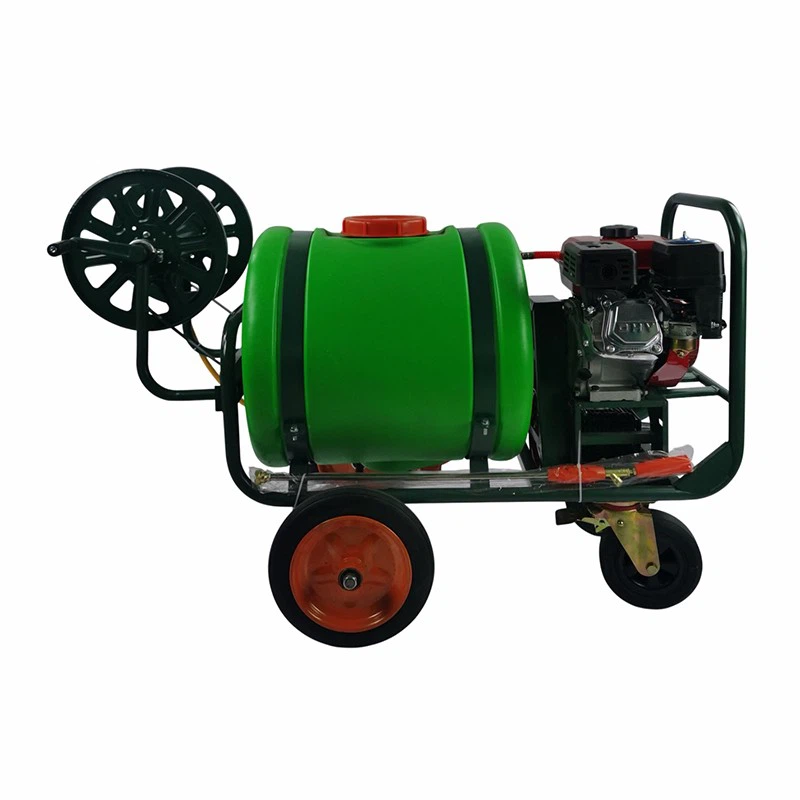
As a supplier of electrical spray pumps, we also offer other related products that might be useful for your painting or other spraying needs. For example, we have the 100L Petrol Engine Spray Machine. This machine is great for larger - scale projects, whether it's for agricultural spraying or industrial painting. It has a big capacity, which means you don't have to refill it as often.
We also have the 60L Hand Push Sprayer With Belt Drive. This is a more portable option, perfect for smaller projects or if you need to move around easily. It's powered by a belt drive, which provides reliable performance.
And if you're looking for something more self - propelled, our Gasoline Engine Sprayer Self Propelled Agricultural Sprayers are a great choice. These are ideal for agricultural applications but can also be used for some large - scale painting projects where mobility is important.
Conclusion
So, can an electrical spray pump be used for spraying wall paint? The answer is yes, but it has its pros and cons. If you're willing to take the time to learn the proper technique, prepare the surface, and deal with the potential issues like overspray, an electrical spray pump can be a great tool for your wall - painting project. It offers speed, even coverage, and the ability to reach difficult areas.

If you're interested in our electrical spray pumps or any of our other products, we'd love to hear from you. Whether you're a professional painter or a DIY enthusiast, we can provide you with the right equipment for your needs. Contact us to start a discussion about your project and find the best solution for you.
References
- "Painting Techniques: Spray Painting Basics" - Home Improvement Magazine
- "Guide to Using Spray Pumps for Different Liquids" - Industrial Supply Journal