

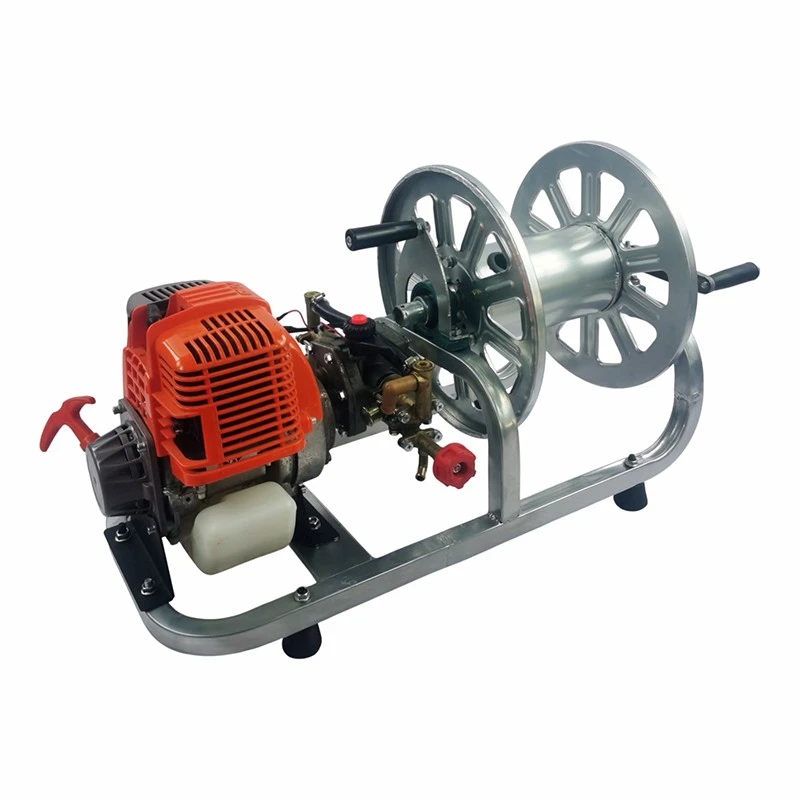
As a supplier of Gasoline Powered Sprayers, I often receive inquiries from customers about how to properly maintain and operate these machines. One of the most common questions is about checking the oil level in a gasoline powered sprayer. In this blog post, I'll walk you through the step-by-step process of checking the oil level in your sprayer, ensuring its optimal performance and longevity.
Why Checking the Oil Level is Crucial
Before we dive into the actual process, let's understand why checking the oil level is so important. The engine in a gasoline powered sprayer relies on oil to lubricate its moving parts, reduce friction, and dissipate heat. Insufficient oil can lead to increased wear and tear on the engine components, overheating, and ultimately, engine failure. On the other hand, overfilling the oil can also cause problems, such as excessive pressure in the engine, oil leaks, and poor performance. Therefore, regularly checking and maintaining the proper oil level is essential for the smooth operation and durability of your sprayer.
Tools You'll Need
To check the oil level in your gasoline powered sprayer, you'll need the following tools:
- A clean rag or paper towel
- The appropriate type of oil for your sprayer (refer to your owner's manual for the recommended oil specification)
Step-by-Step Guide to Checking the Oil Level
Step 1: Prepare the Sprayer
Before you start checking the oil level, make sure the sprayer is turned off and has cooled down completely. This will prevent any hot oil from splashing out and causing burns. Place the sprayer on a level surface to ensure an accurate reading of the oil level.
Step 2: Locate the Oil Dipstick or Oil Fill Cap
Most gasoline powered sprayers have an oil dipstick or an oil fill cap that is used to check and add oil. The location of the dipstick or fill cap may vary depending on the model of your sprayer. Refer to your owner's manual to find the exact location. In general, it is usually located on the side or top of the engine.
Step 3: Remove the Dipstick or Oil Fill Cap
Once you've located the dipstick or oil fill cap, use a clean rag or paper towel to wipe it clean. This will remove any dirt, debris, or old oil that may be on the dipstick or cap, ensuring an accurate reading.
Step 4: Check the Oil Level
- If your sprayer has a dipstick: Insert the dipstick back into the oil reservoir all the way down until it seats properly. Then, pull it out again and observe the oil level on the dipstick. Most dipsticks have markings indicating the minimum and maximum oil levels. The oil level should be between these two marks. If the oil level is below the minimum mark, you'll need to add oil.
- If your sprayer has an oil fill cap: Look inside the oil fill opening to see the oil level. Some sprayers have a sight glass or a level indicator on the side of the engine that allows you to easily see the oil level. If the oil level is low, you'll need to add oil.
Step 5: Add Oil if Necessary
If the oil level is below the minimum mark, it's time to add oil. Use a funnel to pour the appropriate type of oil into the oil fill opening slowly. Add a small amount of oil at a time and check the oil level frequently to avoid overfilling. Once the oil level reaches the appropriate level between the minimum and maximum marks, stop adding oil.
Step 6: Replace the Dipstick or Oil Fill Cap
After adding oil or confirming that the oil level is correct, wipe the dipstick or oil fill cap clean again and securely replace it. Make sure it is tightened properly to prevent any oil leaks.

Tips for Maintaining the Oil Level
- Check the oil level regularly: It's a good practice to check the oil level in your gasoline powered sprayer before each use or at least once a week if you use it frequently. This will help you catch any potential oil leaks or low oil levels early on and prevent engine damage.
- Use the right type of oil: Always use the type of oil recommended by the manufacturer in your owner's manual. Using the wrong type of oil can affect the performance and longevity of your sprayer's engine.
- Keep the oil clean: Over time, oil can become contaminated with dirt, debris, and combustion by-products. To keep the oil clean and ensure optimal engine performance, change the oil at the recommended intervals specified in your owner's manual.
- Store the sprayer properly: When not in use, store your gasoline powered sprayer in a cool, dry place. This will help prevent oil degradation and other issues that can occur due to exposure to extreme temperatures and humidity.
Our Gasoline Powered Sprayers
At our company, we offer a wide range of high-quality Power Sprayer with Gasoline Engine that are designed for various applications, including agriculture, gardening, and car washing. Our Agriculture Portable Power Sprayer is lightweight and easy to carry, making it ideal for spraying crops in large fields. For car enthusiasts, our Car Washing Gasoline Engined Sprayer provides a powerful and efficient way to clean your vehicle.
If you're interested in purchasing a gasoline powered sprayer or have any questions about our products, please feel free to contact us. We have a team of experienced professionals who are ready to assist you with your needs and provide you with the best solutions for your spraying requirements.
References
- Manufacturer's owner's manual for your gasoline powered sprayer
- General knowledge of small engine maintenance and operation